TFT basics guide: items, traits and how to read a comp
TFT looks chaotic, but it rests on four ideas: components combine into completed items, traits activate at breakpoints, a comp is built around a carry with a frontline, and the economy decides when to level or roll. Get those four and the rest is just reading the game.
Components and completed items
In TFT there are 9 base components (the loose “items” that drop from monsters and the carousel): Sword, Cloak, Rod, Belt, Tear, Glove, Bow, Chain Mail and Gold Spatula. Each component gives a pure stat, just like the basic items in classic LoL.
Two components combine into a completed item. The combination is fixed: Sword + Rod makes one item, Cloak + Cloak makes another, and so on. With 9 components, the catalog of completed items comes from every possible pair — which is why you should decide which item you want BEFORE combining, since once merged they don’t split.
Beyond normal completed items, there are other item kinds: radiant items (upgraded versions of a completed item, with an extra bonus), artifacts (unique, powerful items that usually come from special sources), emblems (which grant a trait to the unit holding them) and support items (which buff nearby allies instead of the holder). Don’t memorize the recipes: the site’s TFT items show you what each pair makes.
Rule of thumb: hold your components until your comp is clear. Combining blindly on round 2 can leave you with an item your carry doesn’t use. When in doubt, keep the components loose — they still give stats and you keep your flexibility.
 +
+ =
= Adaptive Helm
 +=
+= Archangel's Staff
 +=
+= Bloodthirster+=
 Blue Buff
Two components combine into a finished item. Combining well is the biggest source of “free” power in TFT.
Traits and breakpoints
Each champion carries one or more traits (its origin and its class). When you gather enough champions of the same trait on the board, that trait activates and grants a bonus to your whole team or to the units of that trait. That “enough” is the key concept: the breakpoint.
A breakpoint is the number of unique units needed to activate a tier of the trait. They almost always come in steps — for example, a trait might activate at 2 / 4 / 6 units, and each step is a hard jump in power, not a smooth upgrade. Having 3 of a “2/4” trait does nothing extra over having 2: you’re “wasting” that third unit for that trait until you reach 4.
So when building the board you think in terms of hitting breakpoints, not “adding loose units”. Three units that complete two breakpoints are worth more than five units that leave every trait half-done. Emblems help here: they give a unit a trait it didn’t have, so you add one to the counter without changing champion — perfect for closing a breakpoint you’re a single unit short of.
The exact numbers (which trait activates at how many, what each step gives) change every set. In the current Set 17, the conceptual idea is the same; for the patch’s exact breakpoints and bonuses, check the site’s traits, which show each tier with its effect.
 Stargazer34567891011
 Space Groove135710
 Voyager23456
 Challenger2345
 Conduit2345
 Dark Star2469
Each synergy activates once you field enough units. More units = stronger breakpoint (bronze → silver → gold). These are real from the current set.
Building a comp: carry, frontline and items
A comp is a team of champions organized around three roles. The carry is the unit that deals the bulk of the damage and gets your best items. The frontline (the tanky units you put up front) exists to buy time: it soaks the hits while the carry, standing in the back, fires away. And the rest of the board is there to complete trait breakpoints.
The question that organizes everything is: who is my carry and which three items does it want? Once you know that, all your components point to that carry. If your carry wants ability-power items, don’t combine Swords; hold Rods and Tears. Putting the wrong items on the wrong carry is the number-one mistake that costs games.
The split between a squishy carry and a durable frontline is the same axis as classic LoL’s champion classes. Positioning matters as much as the units: the carry goes as protected as possible (back row, in a corner if the threat is an assassin), and the frontline up front to absorb the opening damage. Moving a unit one hex can decide whether your carry lives long enough to carry the fight.
The site’s TFT builder lets you assemble the board, assign items to each unit and see which traits activate with that composition — so you test “if I put this carry with these items and complete these traits, what comes out?” before spending the gold in the real game.
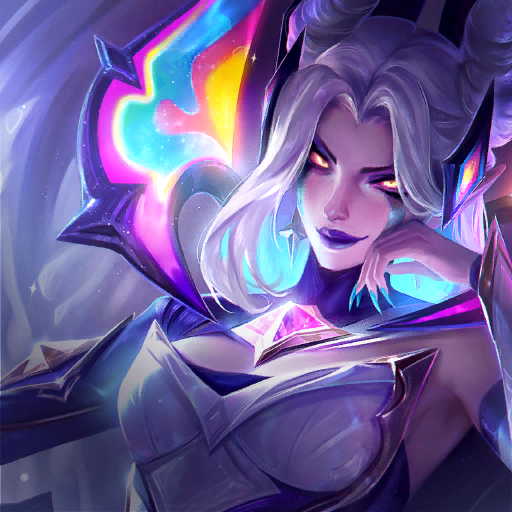

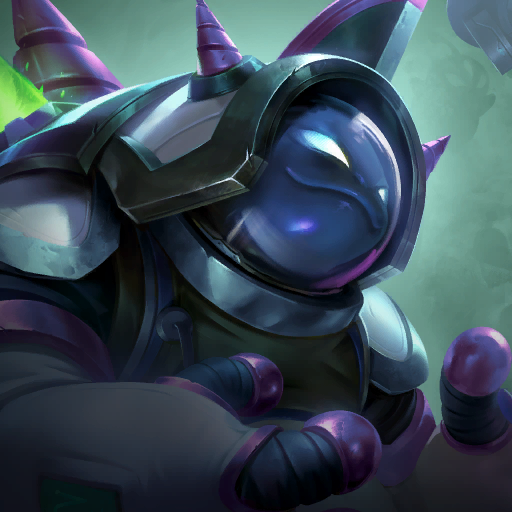


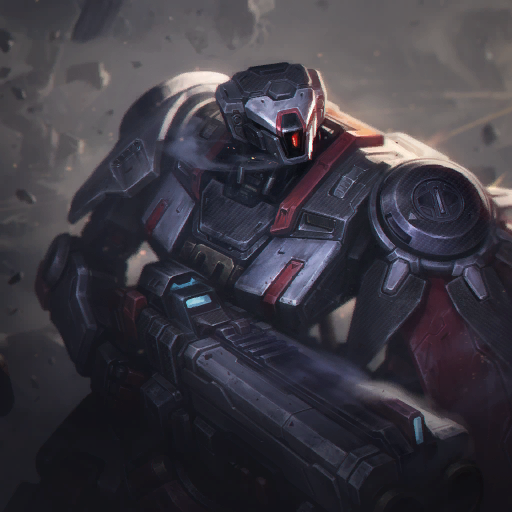

 Vanguard2/4
 Dark Lady1
 Party Animal1Space Groove1/3
 Divine Duelist1
 Factory New1
Example comp built from the real set data. Carries (expensive, in back) hold the items; the frontline (tanks, up front) soaks damage. Try it yourself in theTFT Builder.
Cost, levels, rolls and augments
Each champion has a cost from 1 to 5 gold. Cost marks its rarity and power ceiling: 1- and 2-cost units are cheap, plentiful and easy to push to 3 stars; 4- and 5-costs are rare, expensive and very strong, but seeing them at 3 stars is exceptional. Your summoner level determines which costs appear in the shop and at what odds.
Here comes the central economy decision: level up or roll. Leveling (spending gold to gain a board slot and better odds at high costs) pushes you toward pricier, stronger units. Rolling (spending 2 gold to refresh the shop) hunts to 3-star the cheap units you already have. You can’t do both hard at once: either you level fast to reach the 4–5 costs, or you stay at a level and roll to stack cheap 3-stars.
The compass is the interest economy: the game pays you interest each round based on saved gold (in steps of 10, up to a cap of 5 at 50 gold). That’s why “holding 50 gold” usually beats spending bit by bit — interest funds your future rolls and levels without losing board. Squeezing every coin is the same idea as classic LoL’s gold efficiency. Leveling or rolling at the wrong time breaks the economy and leaves you weak exactly when the damage you take ramps up.
Augments (the choices that appear on fixed rounds of the game) shape your whole strategy: they can push you into a trait, give you economy, items or combat power. An early augment can decide whether your plan is to level fast or to roll, so choose them with your comp in mind, not just “the one that looks strongest”. For costs, per-level odds and the Set 17 augments, lean on the site’s champion and augment pages.
| Banked gold | Interest/round |
|---|---|
| 0 | +0 |
| 10 | +1 |
| 20 | +2 |
| 30 | +3 |
| 40 | +4 |
| 50 | +5 |
In TFT you earn +1 gold per 10 banked, up to +5 (at 50). Reaching 50 and living off interest is the engine of the economy: that’s why “breaking 50” is only done with a plan.
FAQ
Should I combine components as soon as I get them?
Almost never early. Until your carry and the items it wants are clear, hold the components loose: they still give stats and you keep your flexibility. Combining blindly in the first rounds can leave you with an item your final comp doesn’t use, and completed items don’t split. Decide the item before merging.
Does having more units of a trait than its breakpoint do anything?
For that trait, no, until you hit the next tier. If a trait activates at 2/4/6, having 3 units is the same as having 2; only with the fourth do you tier up. That’s why you aim to complete exact breakpoints instead of piling on units that leave the trait half-done. An emblem can close a breakpoint you’re a single unit short of.
When do I level up and when do I roll?
It depends on your comp. If your plan relies on expensive units (4–5 costs), you level fast and save gold to find them. If it relies on cheap 3-stars (1–2 costs), you stay at a level and roll. The key is not breaking the interest economy: spend big at the spike moment, not bit by bit. The site’s tools give you the current Set’s per-level odds.